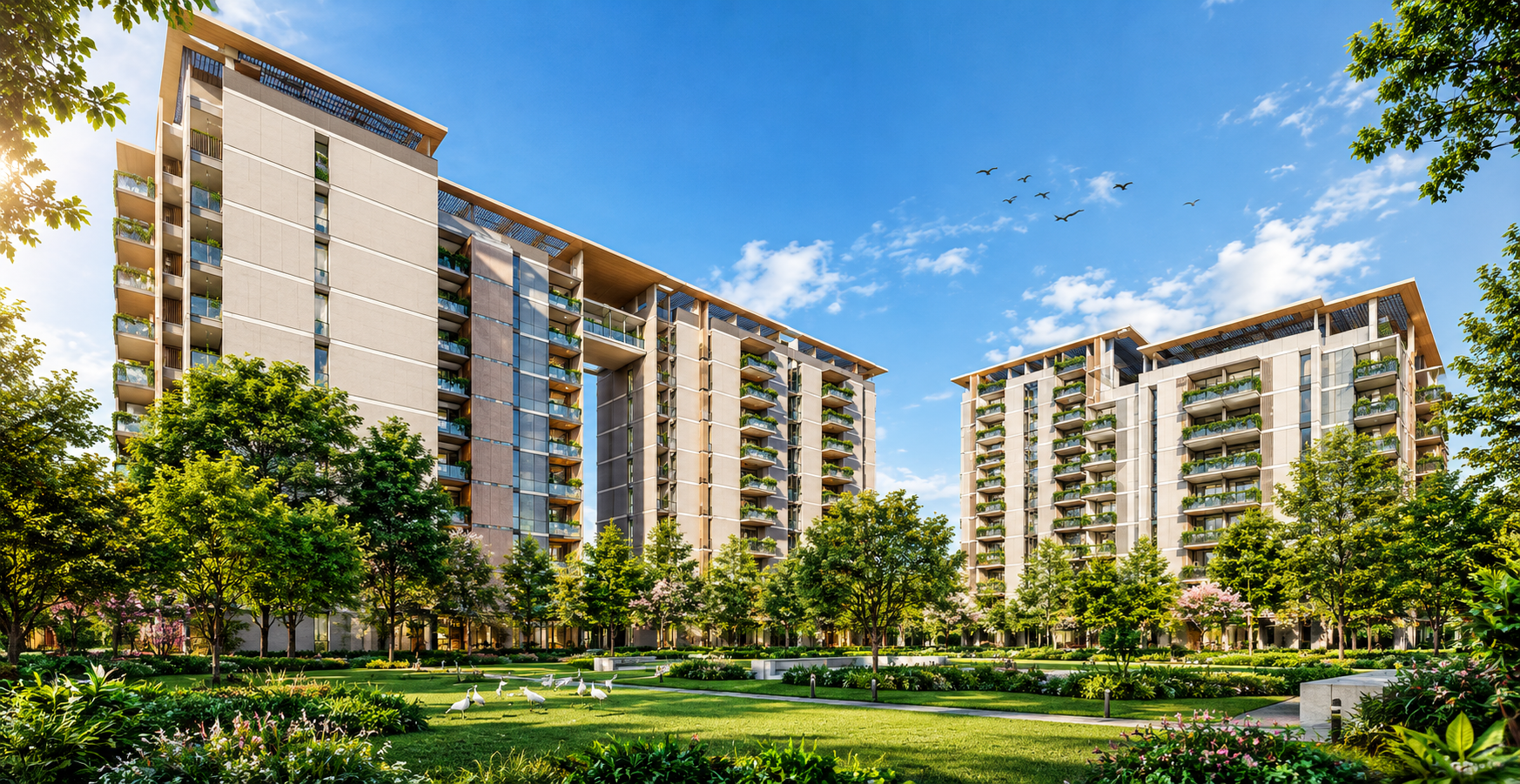
The MEA Residential Complex in New Delhi is envisioned as a contemporary residential development designed to accommodate the housing requirements of the Ministry of External Affairs. Spread across approximately 2.5 acres, the proposed development comprises 73 residential apartments across different accommodation categories, creating a well-organized residential environment for government
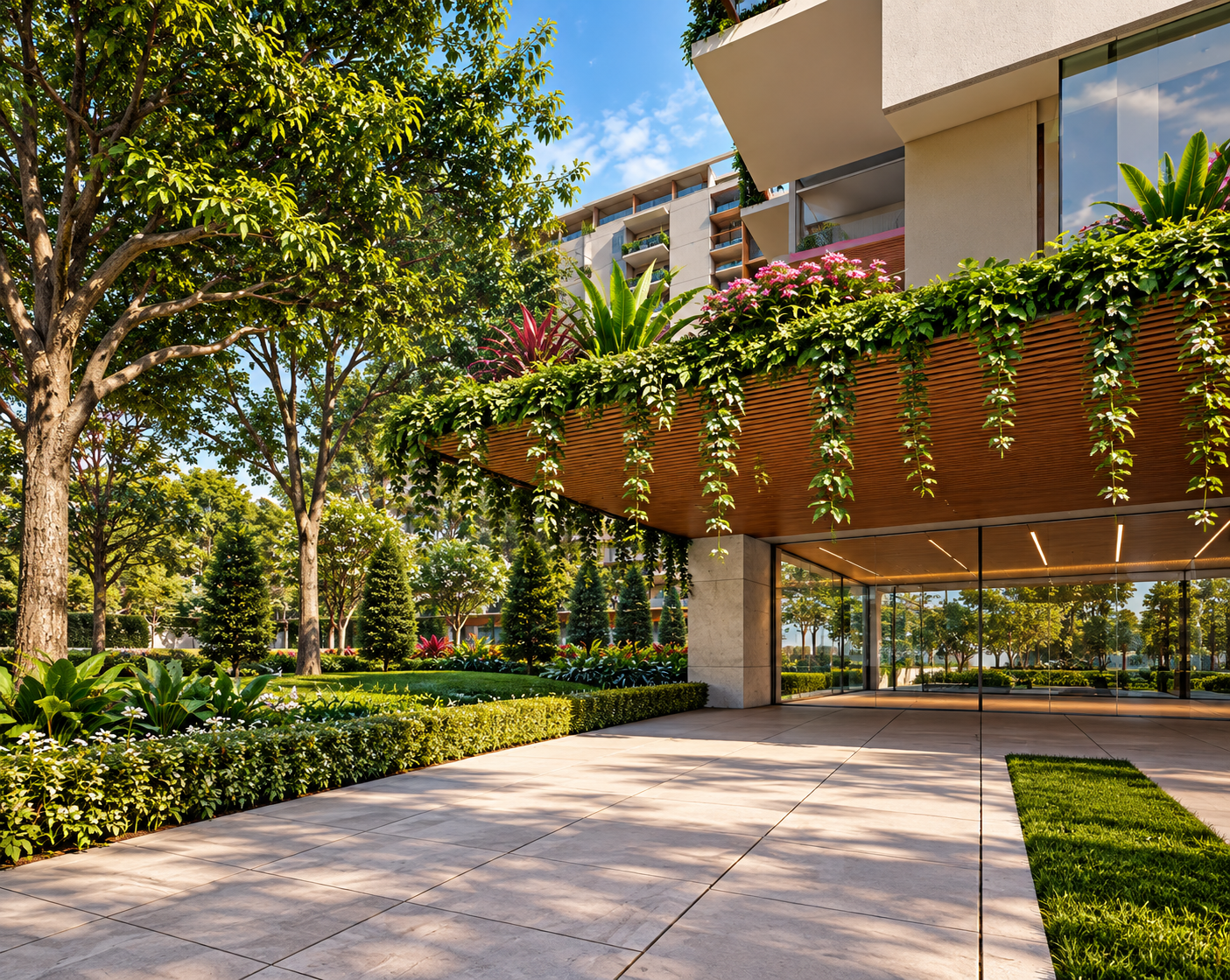
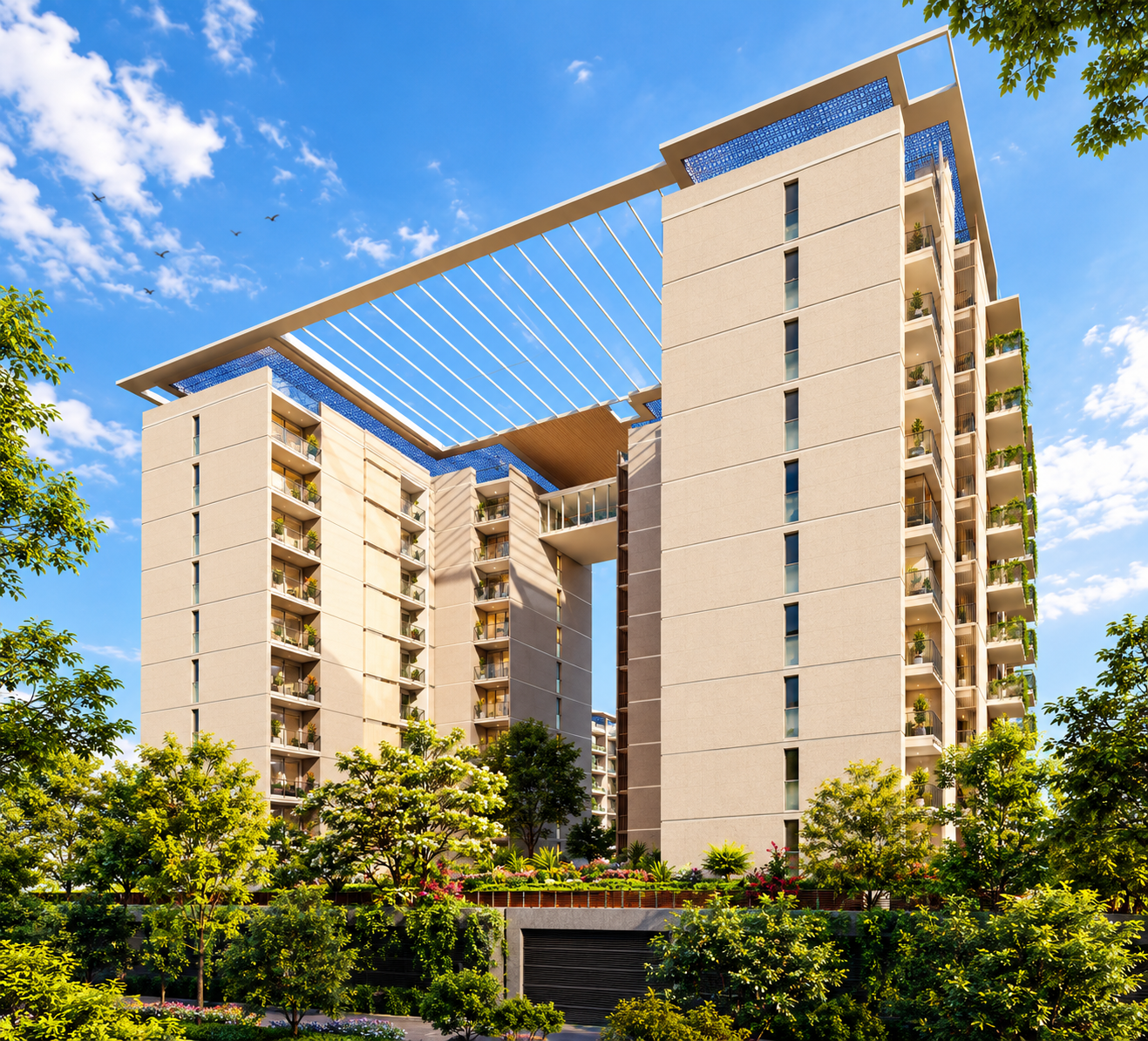
The development accommodates 73 residential apartments across three categories, designed to respond to the Ministry's varied housing requirements. The proposed residential composition includes: 14 Type VII residences, 5 Type VI residences, 54 Type V residences
The apartment configurations establish a structured residential framework, bringing together different housing categories within a unified architectural development.
The residential complex is planned around a functional segregation of spaces based on their respective uses. The architectural organization considers the relationship between built-up areas, open spaces and circulation networks, creating an efficient residential environment.
The planning approach supports clear movement patterns and organized access while maintaining the functional requirements of a government residential development.
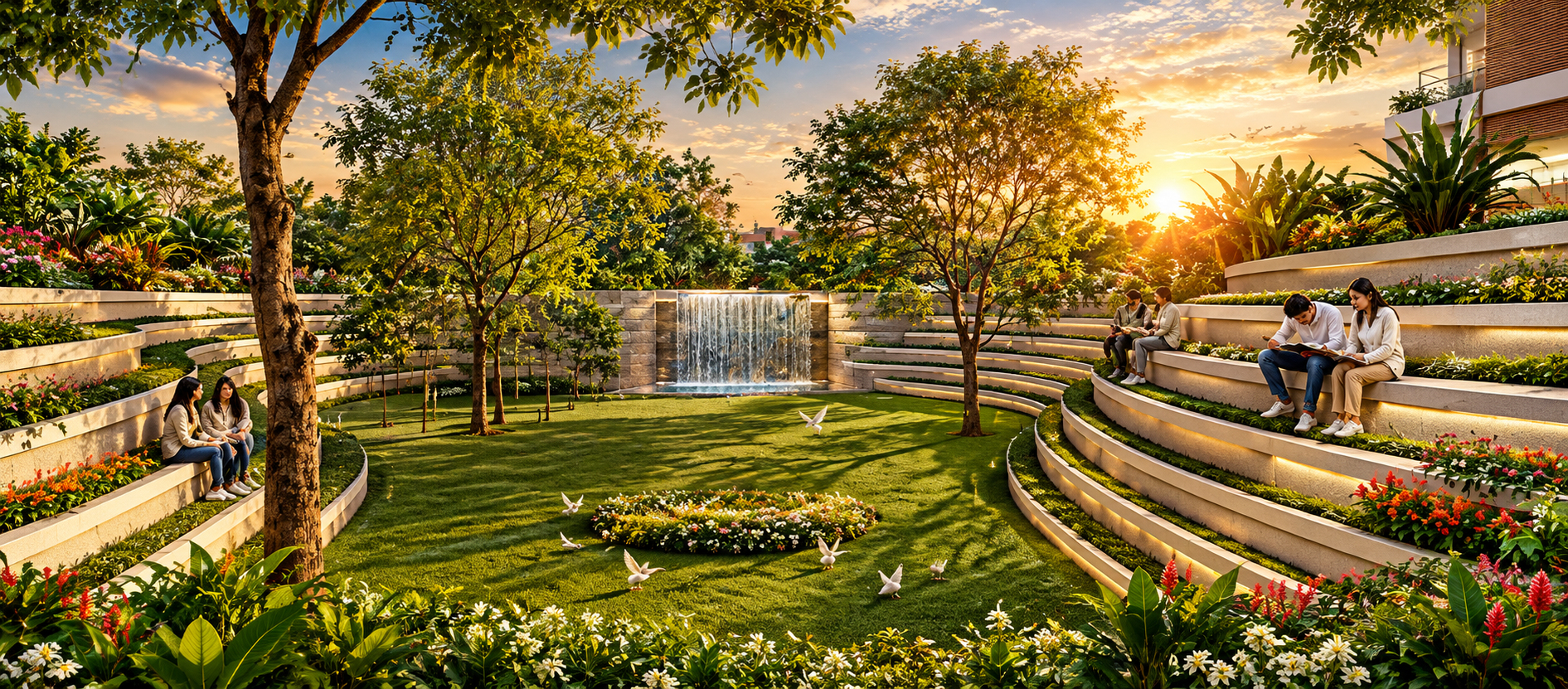
The planning emphasizes smooth circulation and an appropriate relationship between built-up areas and open spaces. The integration of these elements supports accessibility, functional movement and a balanced residential environment.
The spatial organization aims to ensure that residential facilities and supporting infrastructure work together within a coordinated development framework.
SGA Design Lab
Acres of Site Area
Sq. m. Built-up Area
Planning Approach
Residential Apartments
The architectural vision seeks to express the stature and identity of the Ministry of External Affairs through a contemporary residential development. The proposed complex is designed to integrate with the surrounding urban fabric while establishing a distinct institutional residential character.
The balance between architectural expression, functional organization and the surrounding urban environment contributes to the overall identity of the development.